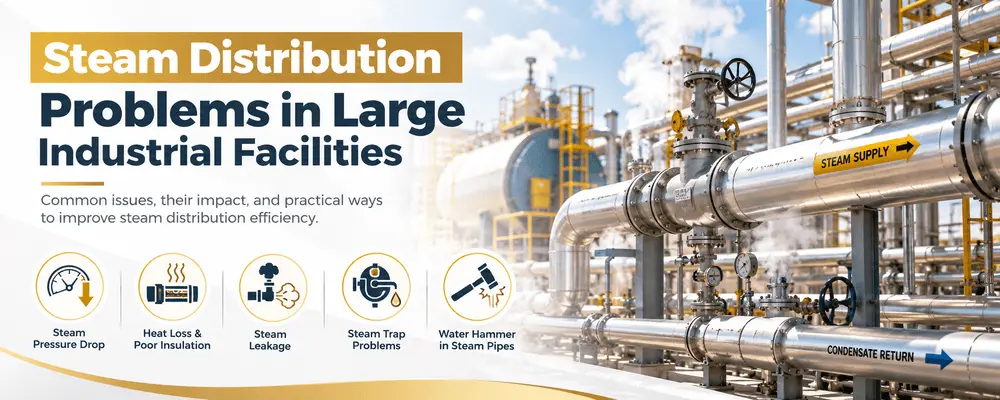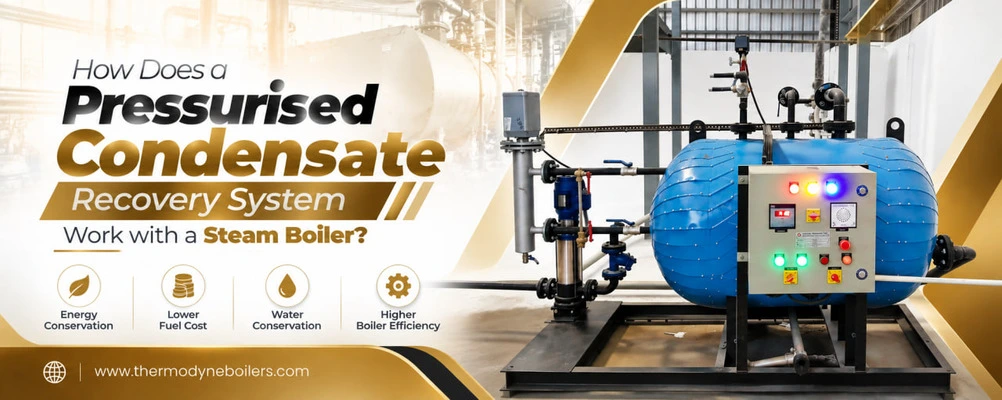

The rice milling industry plays a crucial role in the global food supply chain, ensuring that raw paddy is processed into high-quality consumable rice. From soaking and steaming to drying and polishing, every stage of rice processing requires precise temperature control and effective moisture management. This is where a rice mill boiler becomes an indispensable part of the entire operation, providing the necessary thermal energy to drive multiple processes efficiently.
In modern rice mills, steam is extensively used for parboiling, drying, conditioning, and even sterilization to maintain hygiene standards. A well-designed rice mill boiler ensures a continuous and reliable supply of steam, which directly impacts product quality, plant productivity, and operational efficiency. Without a stable steam system, rice mills often struggle with inconsistent output, increased fuel consumption, and production delays.
This comprehensive guide explains the importance of steam in rice processing, highlights common operational challenges, and explores advanced solutions that help optimize the performance of a rice mill boiler.
Understanding the Role of Steam in Rice Mill Processing
Steam is one of the most effective heat transfer mediums used in industrial processing due to its ability to deliver large amounts of thermal energy quickly and uniformly. In a typical boiler in rice mill setup, steam plays a central role in ensuring that each stage of processing is carried out under controlled conditions.
During parboiling, steam penetrates the paddy grains and gelatinizes the starch, improving both nutritional value and milling efficiency. In drying operations, steam helps remove excess moisture while preserving grain quality. Similarly, controlled steam application is used for pre-heating soaking water and conditioning rice before milling, ensuring better separation and reduced breakage.
Key applications include:
- Parboiling of paddy
- Paddy drying
- Pre-heating of soaking water
- Moisture conditioning before milling
- Sanitization in food-grade environments
A properly engineered rice mill boiler ensures that steam is delivered at the right pressure and temperature, enabling uniform heat distribution and consistent processing results across all stages.
Why an Efficient Rice Mill Boiler is Important
An efficient rice mill boiler is essential for maintaining uninterrupted operations and achieving high-quality output in rice mills. Since most processes depend heavily on steam, any inefficiency in the boiler system can directly affect production performance and energy consumption.
A high-performance boiler ensures that steam is generated consistently and efficiently, reducing fluctuations that can disrupt processing. It also helps in optimizing fuel usage, which is a major cost factor in rice milling operations. Modern industrial boiler systems are designed with advanced features such as improved combustion control, better insulation, and heat recovery mechanisms to maximize energy utilization.
Key benefits:
- Consistent and uniform parboiling results
- Higher head rice recovery with minimal breakage
- Reduced fuel consumption and lower operating costs
- Improved thermal efficiency and energy utilization
- Smooth and uninterrupted production cycles
By investing in an advanced rice mill boiler, plant operators can significantly improve both productivity and profitability.
Common Challenges in Rice Mill Boiler Operations (With Solutions)
1. Inconsistent Steam Supply During Parboiling
One of the most critical challenges in a rice mill boiler is maintaining consistent steam pressure during parboiling. This process requires uniform heat penetration to ensure proper gelatinization of starch in paddy grains. However, when a boiler in rice mill is undersized or lacks proper control systems, it often leads to fluctuations in steam pressure. These variations can result in uneven cooking, increased grain breakage, and reduced head rice recovery. Over time, this inconsistency affects both product quality and overall plant efficiency.
Solution: To resolve this issue, rice mills should install a properly sized rice mill boiler equipped with automated combustion and pressure control systems. Using a steam accumulator can also help stabilize demand fluctuations and ensure a continuous and consistent steam supply during peak operations.
2. High Fuel Consumption and Energy Loss
Fuel cost is a major operational expense in rice mills, and inefficient boiler performance can significantly increase it. Many traditional rice mill boiler systems suffer from poor combustion efficiency, excessive heat loss through flue gases, and inadequate insulation. This results in higher fuel consumption to generate the required steam, ultimately reducing profitability and energy efficiency.
Solution: Upgrading to an energy-efficient industrial boiler with advanced combustion technology can drastically reduce fuel usage. Installing economizers for heat recovery and improving insulation can further enhance efficiency. Additionally, switching to technologies like fluidised bed combustion boiler or FBC boiler systems ensures better fuel combustion and energy utilization.
3. Boiler Scaling and Water Treatment Issues
Water quality directly affects the performance and lifespan of a boiler in rice mill operations. The use of untreated or hard water leads to scale formation inside boiler tubes, which reduces heat transfer efficiency. This forces the steam boiler to consume more fuel and increases the risk of overheating and tube damage.
Solution: Implementing a proper water treatment system, including water softeners and chemical dosing, is essential. Regular blowdown practices should also be followed to remove impurities and prevent scale buildup. These measures help maintain the efficiency and longevity of the rice mill boiler.
4. Frequent Boiler Downtime and Maintenance Problems
Unplanned downtime is a major issue that disrupts production in rice mills. A poorly maintained rice mill boiler is more prone to mechanical failures, corrosion, and wear and tear. Lack of preventive maintenance and outdated systems further increase the chances of breakdowns, leading to production delays and financial losses.
Solution: Adopting a preventive maintenance schedule and upgrading to modern, automated industrial boiler systems can significantly reduce downtime. Regular inspections, timely servicing, and the use of high-quality components ensure reliable and continuous boiler operation.
5. Poor Steam Quality Affecting Processing Efficiency
The efficiency of rice processing depends heavily on the quality of steam generated by the rice mill boiler. If the steam contains excess moisture (wet steam) or impurities, it reduces heat transfer efficiency and leads to uneven heating of paddy. This negatively impacts drying performance and overall rice quality.
Solution: To maintain high steam quality, it is important to use a well-designed steam boiler with proper steam separation and drying systems. Installing moisture separators and maintaining optimal operating conditions ensures the generation of dry and saturated steam, improving processing efficiency.
6. Inefficient Utilization of Rice Husk Fuel
Rice husk is a cost-effective and sustainable fuel source, but many conventional boiler in rice mill systems fail to utilize it efficiently. Problems such as incomplete combustion, irregular fuel feeding, and high ash content reduce overall boiler performance and increase fuel wastage.
Solution: Using advanced technologies like fluidised bed combustion boiler or FBC boiler systems can significantly improve husk combustion efficiency. A properly designed husk fired boiler ensures uniform fuel burning, stable steam generation, and better energy utilization, making it ideal for rice mill operations.
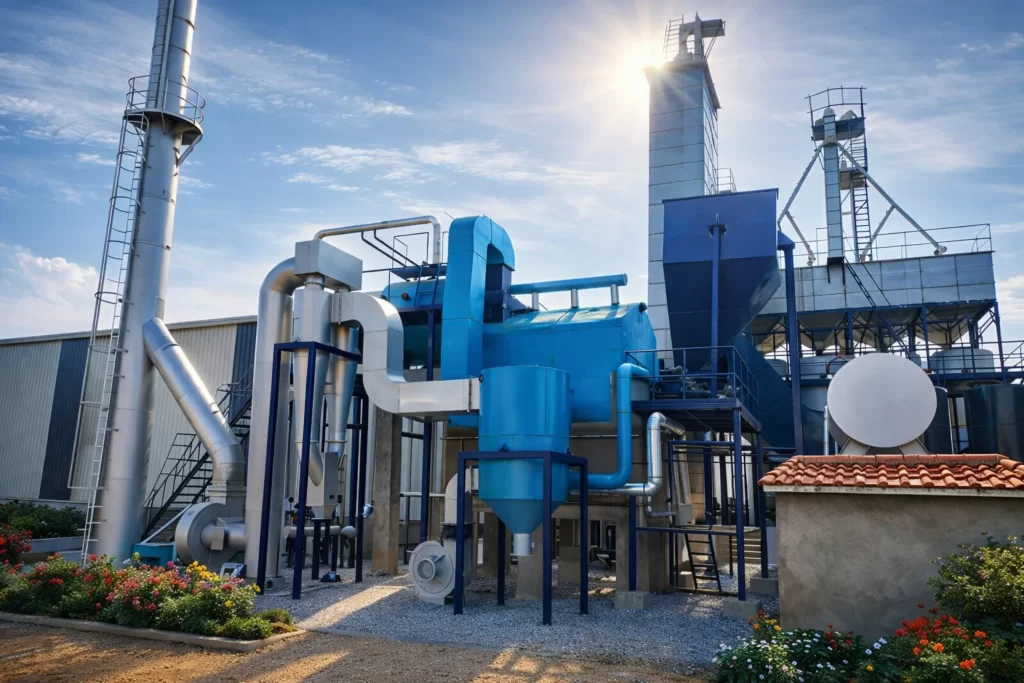
How to Improve Efficiency of a Rice Mill Boiler
Improving the efficiency of a rice mill boiler is essential for reducing operational costs and enhancing productivity. By adopting the right strategies, rice mills can significantly optimize their energy usage and overall performance.
1. Install Energy-Efficient Systems
Modern industrial boiler designs improve heat transfer and reduce fuel consumption through better engineering and advanced combustion systems.
2. Use Heat Recovery Systems
Economizers and other heat recovery devices capture waste heat from flue gases and reuse it, improving overall system efficiency.
3. Implement Proper Water Treatment
Effective water treatment prevents scaling and corrosion in the boiler in rice mill, ensuring long-term efficiency.
4. Automate Boiler Operations
Automation systems help maintain consistent steam pressure and optimize fuel usage, reducing human error and improving reliability.
5. Conduct Regular Maintenance
Routine inspections and timely maintenance increase the lifespan and performance of the rice mill boiler.
Choosing the Right Rice Mill Boiler
Selecting the right rice mill boiler is a critical decision that directly impacts plant efficiency and operational costs. The right boiler should not only meet current production requirements but also support future scalability.
Key features to consider:
- High thermal efficiency
- Stable and consistent steam pressure
- Compatibility with biomass fuels like rice husk
- Low maintenance and operating costs
- Safe, reliable, and automated operation
Technologies such as paddy boiler, husk fired boiler, and FBC boiler systems are widely preferred for modern rice mills due to their efficiency and fuel flexibility.
Expert Recommendation:
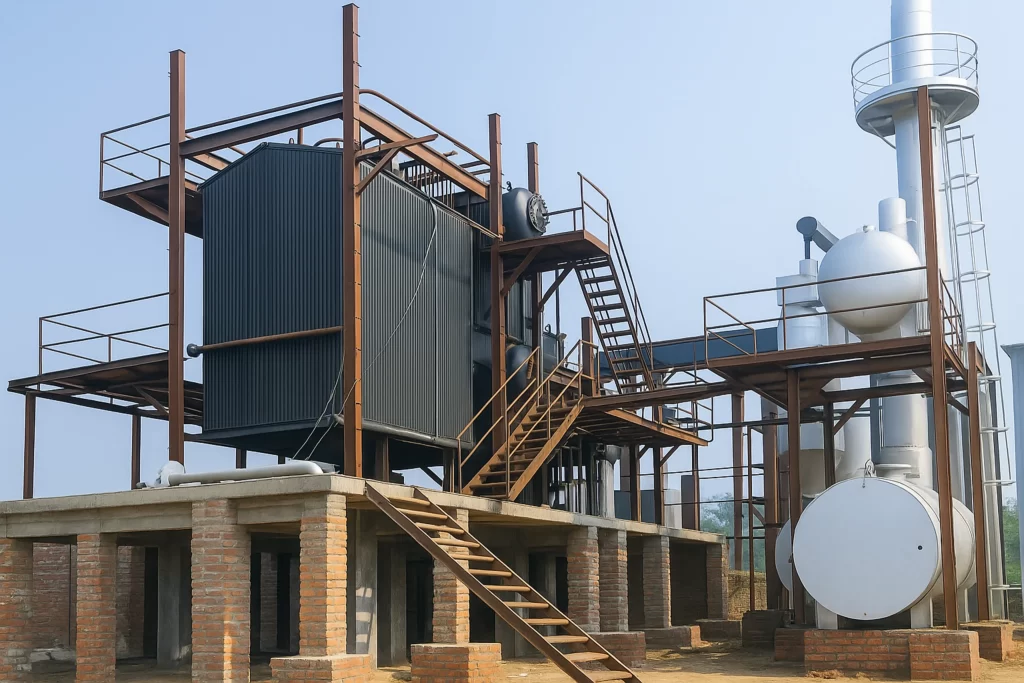
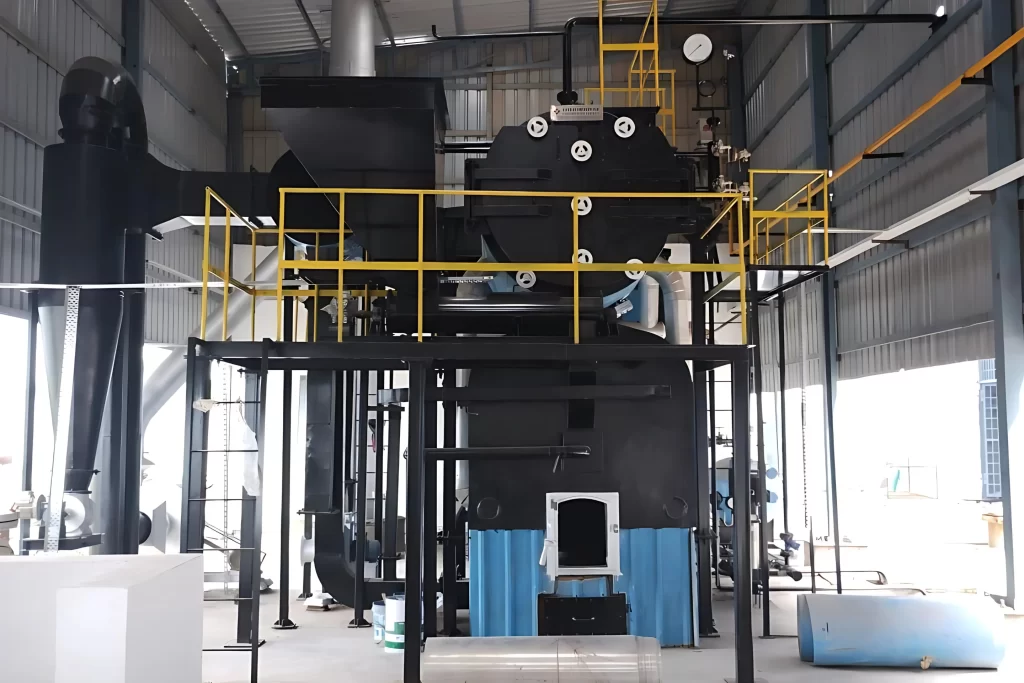
Thermodyne offers advanced rice mill boiler systems, including FBC boiler and husk fired boiler, designed for maximum fuel efficiency and long-term reliability. These boilers are engineered to deliver consistent performance while reducing operational costs.
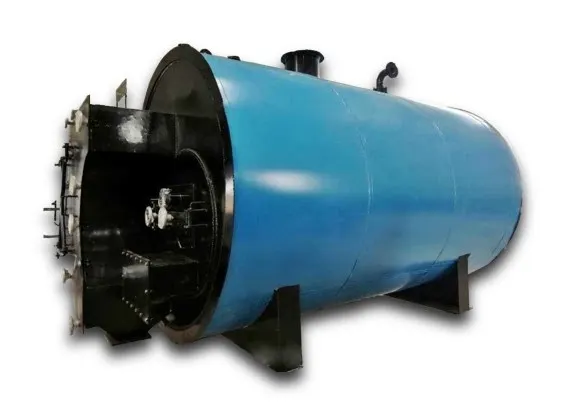
Advanced Boiler Solutions for Rice Mills
Modern rice mill boiler systems are designed with a strong focus on energy efficiency, sustainability, and automation. These advanced systems utilize innovative technologies to maximize fuel efficiency while minimizing emissions.
They are capable of efficiently utilizing biomass fuels like rice husk, ensuring cost-effective and eco-friendly operations. Additionally, features such as automated controls, improved combustion systems, and heat recovery units help maintain consistent steam output and enhance overall performance.
Companies like Thermodyne Engineering Systems provide customized industrial boiler solutions tailored to the specific needs of rice processing industries, helping businesses achieve higher efficiency and long-term reliability.
Conclusion
A well-designed rice mill boiler is the backbone of efficient rice processing operations. It ensures consistent steam generation, improves product quality, and reduces operational costs, making it an essential component of modern rice mills.
By addressing common challenges such as fuel inefficiency, scaling, and downtime, and by adopting advanced technologies like fluidised bed combustion boiler systems, rice mills can significantly enhance productivity and sustainability.
Investing in the right rice mill boiler is not just about meeting operational needs—it is a strategic decision that drives long-term growth, efficiency, and profitability in an increasingly competitive industry.
FAQs
A boiler in a rice mill is used to generate steam required for key processes such as parboiling, drying, soaking water heating, and moisture conditioning. Steam ensures uniform heat transfer, improves rice quality, and increases milling efficiency. A reliable rice mill boiler helps maintain consistent production and reduces processing time.
The most commonly used boilers in rice mills are husk fired boilers, biomass boilers, and fluidised bed combustion (FBC) boilers. These boilers are ideal because they efficiently utilize rice husk and other agricultural residues as fuel, reducing operating costs while ensuring stable steam generation.
Rice mills typically use rice husk as the primary fuel because it is a by-product of rice milling. Husk fired boilers and biomass boilers are specifically designed to burn rice husk efficiently, making them a cost-effective and sustainable solution for steam generation in rice processing plants.
Steam plays a crucial role in the parboiling process by penetrating paddy grains and gelatinizing the starch inside them. This process improves grain strength, enhances nutritional value, and reduces breakage during milling. A properly designed rice mill boiler ensures uniform steam distribution for consistent parboiling results.
Common issues faced in rice mill boiler systems include inconsistent steam pressure, high fuel consumption, scaling due to poor water quality, inefficient rice husk combustion, and frequent maintenance problems. These issues can reduce processing efficiency and increase operational costs if not properly managed.
The efficiency of a rice mill boiler can be improved by using advanced combustion technologies such as FBC boilers, installing heat recovery systems like economizers, implementing proper water treatment, automating boiler operations, and following a regular preventive maintenance schedule.
A husk fired boiler is a type of biomass boiler that uses rice husk as fuel to generate steam. These boilers are widely used in rice mills because they convert agricultural waste into useful energy, reducing fuel costs and supporting sustainable rice processing operations.
Fluidised Bed Combustion (FBC) boilers provide better fuel combustion, higher efficiency, and stable steam generation. They can efficiently burn rice husk and other biomass fuels while reducing emissions and improving overall boiler performance in rice processing industries.
Most rice mill processes such as parboiling and drying require steam pressure typically ranging between 8 to 15 kg/cm², depending on plant capacity and processing requirements. A properly designed steam boiler ensures consistent pressure and reliable steam supply throughout the operation.
Modern industrial boilers improve rice mill productivity by providing stable steam generation, higher thermal efficiency, automated controls, and fuel flexibility. These features help reduce downtime, optimize fuel consumption, and ensure consistent rice processing performance.