The future of industrial manufacturing is no longer driven only by production capacity — it is driven by sustainability, energy efficiency, and environmental responsibility. Around the world, factories are under increasing pressure to reduce carbon emissions, eliminate fossil fuel dependency, and adopt cleaner technologies that support long-term operational growth. Rising fuel prices, stricter pollution regulations, and global net-zero commitments are forcing manufacturers to rethink conventional steam generation systems.
This is where the electric steam boiler is transforming modern industrial operations.
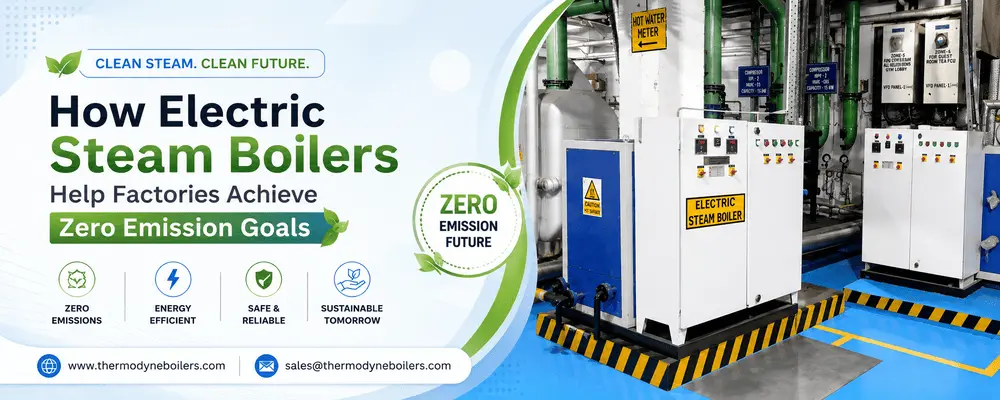
Unlike traditional boilers that rely on coal, diesel, furnace oil, or gas combustion, an electrode type boiler produces steam without direct emissions, smoke, or fuel burning. The shift toward an electric boiler is helping factories reduce pollution, improve workplace conditions, achieve sustainability goals, and build energy-efficient production systems for the future. As industries continue moving toward greener operations, the demand for advanced electric steam boiler technology is growing rapidly across modern manufacturing facilities.
What is an Electric Steam Boiler?
An electric steam boiler is a modern steam generation system that uses electricity as the primary heat source instead of fossil fuels. Inside the boiler, electrical resistance heating elements or electrode-based systems convert electrical energy directly into heat with minimal energy loss.
Unlike conventional combustion-based boilers, an electric steam boiler requires no fuel storage, chimney systems, burners, ash handling, or flue gas treatment infrastructure.
Electric Boiler Working Principle
1- Water Supply
Treated feedwater enters the boiler vessel via a feed pump. Water quality (hardness, TDS) is controlled to prevent scaling on heating elements.
2- Electrical Heating
Resistance elements (or electrodes in electrode boilers) are energised. Electrical energy converts directly to heat — resistive heating achieves near 100% energy conversion efficiency.
3- Steam Generation
Water reaches saturation temperature and vaporises. Operating pressures typically range from 0.5 to 15 bar, producing saturated or slightly superheated steam.
4- PLC-Based Control
Pressure sensors, flow meters, and temperature probes feed data to a programmable logic controller (PLC). Steam output is modulated automatically to match process demand.
5- Steam Distribution
Steam exits through insulated distribution headers to heat exchangers, autoclaves, jacketed vessels, or other industrial process equipment.
Why Factories are Moving Toward Zero Emission Technologies
Modern factories are facing growing environmental challenges due to rising carbon emissions and stricter sustainability regulations. Traditional steam systems contribute heavily to industrial pollution because they burn fossil fuels continuously.
Today, manufacturers are expected to:
- Reduce greenhouse gas emissions
- Improve energy efficiency
- Minimize fuel consumption
- Lower environmental impact
- Support sustainable manufacturing initiatives
An electric steam boiler directly supports these objectives by eliminating combustion-related emissions and enabling cleaner steam generation.
How Electric Steam Boilers Support Zero Emission Goals
1. Zero Direct Carbon Emissions
One of the biggest advantages of an electric steam boiler is its ability to generate steam without fuel combustion. Conventional boilers release carbon dioxide, sulfur dioxide, nitrogen oxides, and particulate matter into the atmosphere.
An electric steam boiler eliminates these direct emissions completely.
By installing an electrode boiler system, factories can:
- Reduce carbon footprint
- Support net-zero manufacturing
- Improve ESG compliance
- Achieve cleaner operations
A modern industrial electric boiler helps companies align with future environmental standards while improving operational sustainability.
2. Elimination of Fossil Fuel Dependency
Traditional boilers depend on:
- Coal
- Diesel
- Furnace oil
- LPG
- Natural gas
Fuel dependency increases operational costs and environmental risks. An electric boiler system removes the need for fuel combustion entirely.
A modern steam generation system can also integrate with renewable energy sources such as:
- Solar energy
- Wind power
- Green electricity grids
This allows factories to move closer to completely sustainable steam generation.
3. Higher Energy Efficiency
An electric steam boiler offers significantly higher thermal efficiency compared to many conventional systems because electrical energy converts directly into heat with minimal losses.
A traditional boiler loses energy through:
- Chimney heat loss
- Flue gas discharge
- Incomplete combustion
- Radiation loss
An advanced electric boiler minimizes these losses and delivers:
- Faster steam generation
- Better energy utilization
- Improved steam consistency
- Reduced operational wastage
An industrial electric boiler helps manufacturers optimize energy consumption while maintaining high production performance.
Cleaner and Safer Industrial Operations
An electric industrial boiler creates a cleaner working environment because there is:
- No smoke generation
- No ash handling
- No soot accumulation
- No fuel leakage
- No combustion residue
This improves:
- Workplace safety
- Operational cleanliness
- Equipment reliability
- Environmental performance
An electric boiler also reduces maintenance complexity because there are fewer combustion-related components involved.
Reduced Air Pollution with Electric Steam Boiler Technology
Air pollution is one of the biggest environmental concerns associated with conventional steam generation systems. Fossil fuel combustion releases harmful gases and particulate matter that affect both human health and environmental quality.
An electric steam boiler helps reduce:
- Carbon emissions
- Smoke pollution
- Toxic gas release
- Industrial air contamination
This makes the technology an ideal solution for companies focusing on sustainable manufacturing practices.
Smart Automation in Modern Electric Steam Boiler Systems
Modern electric steam boiler systems are equipped with advanced automation technologies that improve operational efficiency and safety.
Features include:
- PLC-based automation
- Automatic pressure control
- Smart temperature monitoring
- Remote system diagnostics
- Energy optimization controls
A fully automated industrial electric boiler improves steam stability while reducing manual intervention and operational downtime.
Cost Advantages of an Electric Steam Boiler
Although the initial investment for an industrial electric boiler may vary depending on capacity and design, long-term operational benefits are significant.
A modern electric boiler helps reduce:
- Fuel handling costs
- Emission control expenses
- Boiler room maintenance
- Ash disposal costs
- Chimney maintenance requirements
Because these systems have fewer moving and combustion-related parts, maintenance requirements are generally lower compared to conventional systems.
Why Electric Steam Boiler Demand is Increasing Rapidly
The demand for the electric steam boiler is increasing globally due to:
- Environmental regulations
- Carbon reduction targets
- Rising fuel costs
- Clean energy adoption
- Smart factory initiatives
Manufacturers are now investing in advanced steam electrification technologies to future-proof their operations and improve sustainability performance.
A modern industrial electric boiler not only supports clean steam generation but also enhances overall production efficiency.
Choosing the Right Electric Steam Boiler Manufacturer
Selecting the right electric steam boiler manufacturer is extremely important for long-term performance and reliability.
A trusted electric steam boiler manufacturer should offer:
- High-efficiency boiler systems
- Advanced automation
- Reliable safety systems
- Energy-efficient designs
- Strong after-sales support
- Customized steam solutions
An experienced electric steam boiler manufacturer can help factories achieve maximum operational efficiency while supporting sustainability objectives.
Boiler Thermal Efficiency Comparison
Industry average efficiency (%) at rated load — higher is better
98%
Electric Boiler
90%
Natural Gas
82%
Fuel Oil
80%
Coal
Industry average data — thermal efficiency (%) at rated load conditions
Future of Sustainable Steam Generation
The future of industrial heating is moving toward electrification and low-emission technologies. As sustainability becomes a global priority, the role of the electric steam boiler will continue expanding across modern manufacturing facilities.
An advanced electric boiler helps factories:
- Reduce environmental impact
- Improve energy efficiency
- Achieve zero-emission goals
- Support green manufacturing
- Build sustainable production systems
The transition toward cleaner steam generation has already started, and advanced electric boiler systems are becoming some of the most important technologies driving industrial transformation.
Ready to Make the Switch to an Electric Steam Boiler?
Choosing the right electric steam boiler manufacturer ensures long-term reliability, energy savings, and a genuine path to zero-emission manufacturing.
Explore Electra Electric BoilersConclusion
The growing focus on sustainability, carbon reduction, and energy efficiency is changing the future of industrial steam generation. Conventional fuel-fired systems are gradually being replaced by cleaner and smarter alternatives.
An electric steam boiler provides an efficient, reliable, and environmentally responsible solution for factories aiming to achieve zero-emission goals. By eliminating direct emissions, improving energy utilization, reducing pollution, and supporting sustainable operations, an electric steam boiler helps manufacturers build future-ready production facilities.
As industries continue investing in green technologies, the adoption of the electric steam boiler and advanced industrial electric boiler systems will continue growing rapidly. Choosing the right electric steam boiler manufacturer ensures long-term operational reliability, energy savings, and sustainable industrial growth.
Frequently Asked Questions (FAQs) About Electric Steam Boilers
An electric steam boiler is a steam generation system that uses electricity as the primary energy source to produce steam. Unlike conventional boilers, it does not burn fossil fuels such as coal, diesel, or gas, making it a cleaner and more environmentally friendly solution.
An electric steam boiler generates heat through electrical resistance heating elements or electrode technology. The generated heat converts water into steam, which is then used for industrial processes, heating, sterilization, and manufacturing applications.
The key advantages include:
- Zero direct emissions
- High thermal efficiency
- No fuel storage requirements
- Low maintenance costs
- Compact design
- Quiet operation
- Easy automation and control
Yes. An electric steam boiler produces steam without combustion, eliminating direct carbon emissions, smoke, sulfur oxides (SOx), and nitrogen oxides (NOx). When powered by renewable electricity, it can support near-zero emission manufacturing operations.
Electric steam boilers are widely used in:
- Pharmaceutical Industry
- Food Processing Industry
- Textile Industry
- Garment Manufacturing
- Hospitals and Healthcare Facilities
- Chemical Processing Plants
- Laboratories
- Hotels and Commercial Laundries
Most modern electric steam boiler systems achieve efficiency levels of up to 99%, as electrical energy is converted directly into heat with minimal losses compared to fuel-fired boilers.
Yes. Since an electric steam boiler does not involve fuel combustion, it eliminates risks associated with fuel leaks, burner failures, and flue gas emissions. Advanced safety controls further enhance operational safety.
No. Since there is no combustion process, an electric steam boiler does not require a chimney, flue gas system, ash handling equipment, or emission control devices.
When selecting an electric steam boiler manufacturer, consider:
- Boiler efficiency
- Steam capacity requirements
- Safety features
- Automation capabilities
- Industry experience
- After-sales support
- Compliance with applicable standards and certifications
Absolutely. Modern industrial electric boiler systems are designed to provide reliable steam for various industrial processes, offering precise temperature control, fast response times, and sustainable operation.
Maintenance requirements are generally lower than fuel-fired boilers and include:
- Inspection of heating elements or electrodes
- Water quality monitoring
- Safety valve testing
- Electrical connection checks
- Control system inspection
The demand for electric steam boiler technology is increasing due to stricter environmental regulations, rising fuel costs, sustainability initiatives, carbon reduction targets, and the growing adoption of clean energy solutions across industries.
Yes. While the initial investment may vary, an electric steam boiler can provide long-term savings through reduced maintenance, elimination of fuel handling costs, improved efficiency, and lower environmental compliance expenses.