
A thermic fluid heater (TFH) is a vital component of modern industrial heating systems, offering high energy efficiency and operational safety without the complexity of high-pressure steam. Whether you’re in the food processing, chemical, textile, or plywood industry, a well-designed thermal fluid heater can significantly boost performance and reduce costs.
In this detailed guide, we’ll explain how a TFH works, where it’s used, and why it’s the preferred choice over traditional steam boilers in many industrial sectors.
What is a Thermic Fluid Heater?
A thermic fluid heater, also known as a thermal fluid heater or thermic oil heater, is an indirect heating system that uses heat transfer fluids such as thermal oil to deliver controlled, high-temperature heat to industrial processes. Unlike steam systems, it operates under low pressure while achieving temperatures up to 400°C, making it both safe and energy-efficient.
This thermal fluid heating system runs in a closed-loop circuit, preventing fluid loss and corrosion, and eliminating the need for water treatment. It’s ideal for processes where precise temperature control and consistent heat are critical.
Thermic Fluid Heater Working Principle Explained
Let’s dive into the thermic fluid heater working principle, which is the foundation of its efficiency:
- Combustion Chamber: The fuel (solid, liquid, gas, or oil) heats the coils in the combustion chamber.
- Heat Transfer to Fluid: Thermal oil absorbs heat through conduction inside the tubes or coils.
- Circulation Loop: A high-temp pump circulates the heated fluid throughout the system.
- Heat Delivery: The fluid transfers its heat to equipment like dryers, reactors, presses, or jacketed vessels.
- Return Cycle: The fluid comes back to the heater for reheating, completing the loop.
This design eliminates the need for high-pressure steam systems and reduces risks, maintenance, and downtime.
Thermic Fluid Heater vs. Steam Boiler – What Should You Choose?
| Feature | Thermic Fluid Heater | Steam Boiler |
|---|---|---|
Operating Pressure |
Atmospheric / Low |
High |
Max Temperature |
Up to 400°C |
Up to 180°C |
Maintenance |
Low |
High |
Water Treatment |
Not Needed |
Mandatory |
Safety |
Excellent |
Moderate |
Fuel Flexibility |
High |
Medium |
Clearly, the thermic fluid heater wins when high temperature and safe, low-pressure operation are priorities. In addition, the thermic fluid boiler does not require regular water treatment, which reduces maintenance costs.
Industrial Applications of Thermic Fluid Heaters
Industries across the board are increasingly adopting thermic fluid heaters due to their versatility and reliability.
- Plywood & Laminate Industry: Used for hot presses and coating lines where stable surface temperatures are crucial.
- Chemical & Pharma Industry: Heats reactors, dryers, and distillation units with precise control and minimal risk.
- Textile Industry: Ideal for drying, curing, and heat-setting operations using thermal fluid boilers.
- Food Processing Units: Used in frying systems, melting, pasteurization, and cooking units. A thermic oil heater provides food-safe, indirect heat.
- Bitumen Plants: Keeps bitumen and other viscous fluids at processable temperatures.
With its seamless operation and high thermal efficiency, the thermic fluid heater has become the go-to solution in all these applications.
Key Components of a Thermic Fluid Heater System
A complete thermal fluid heating system typically includes:
- Combustion chamber (burner or electrical coil)
- Heating coil for heat exchange
- Circulating pump
- Expansion tank
- Control panel with safety interlocks
- Insulated pipelines
When installed properly, a thermic fluid heater can run 24/7 with minimal intervention and quick heat-up times.
Choosing the Right Thermic Fluid Heater for Your Plant
Before investing in a thermic fluid heater, consider:
- Fuel Availability: Choose between oil-fired, gas-fired, solid fuel, or electric.
- Temperature & Flow Rate: Determine your thermal load and required output.
- Industry Type: Match the system with your industrial processes.
- Trusted Manufacturer: Select from proven thermal fluid heaters manufacturers with a solid support network.
Also, ensure you use high-quality oils from certified thermal fluid manufacturers to increase the life and performance of your heater.
What Makes Thermodyne the Right Choice for Thermic Fluid Heaters
Thermodyne Boilers is a trusted name in manufacturing Fluidtherm thermic fluid heaters, delivering reliable, high-efficiency heating solutions for industrial applications. Engineered for safety, durability, and precision, our systems offer seamless heat transfer without the risks of high-pressure steam.
We offer four types of Fluidtherm thermic fluid heaters ranging from 1 Lac to 60 Lac Kcal/hr, suitable for both batch and continuous operations. Systems can be customized to meet your specific fuel preferences, process needs, and installation space.
Oil & Gas-Fired Thermic Fluid Heater
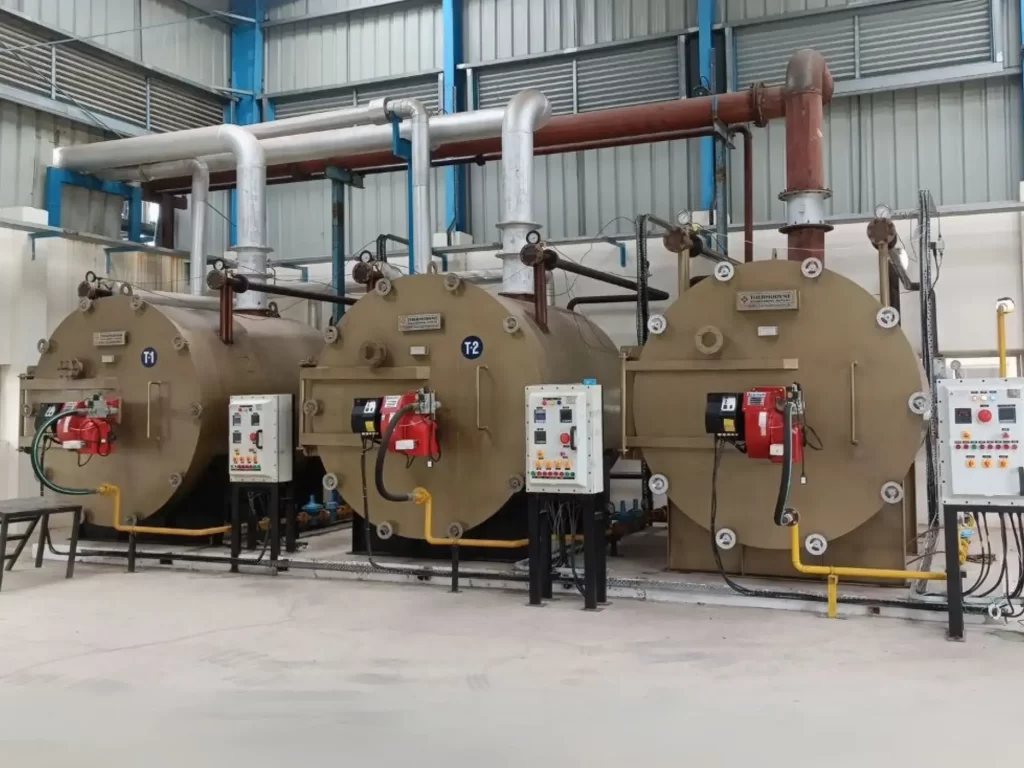
Runs on diesel, LDO, furnace oil, LPG, or natural gas. These systems are equipped with high-performance imported or Indian burners, ensuring excellent combustion, energy efficiency, and flame control. Widely used in chemical, pharmaceutical, food, and textile industries for their clean and consistent heating.
- Quick heat-up and automatic operation
- Precise flame and temperature control
- Low emissions and clean combustion
- Ideal for pharma, food, chemical, and textile industries
Solid Fuel-Fired Thermic Fluid Heater
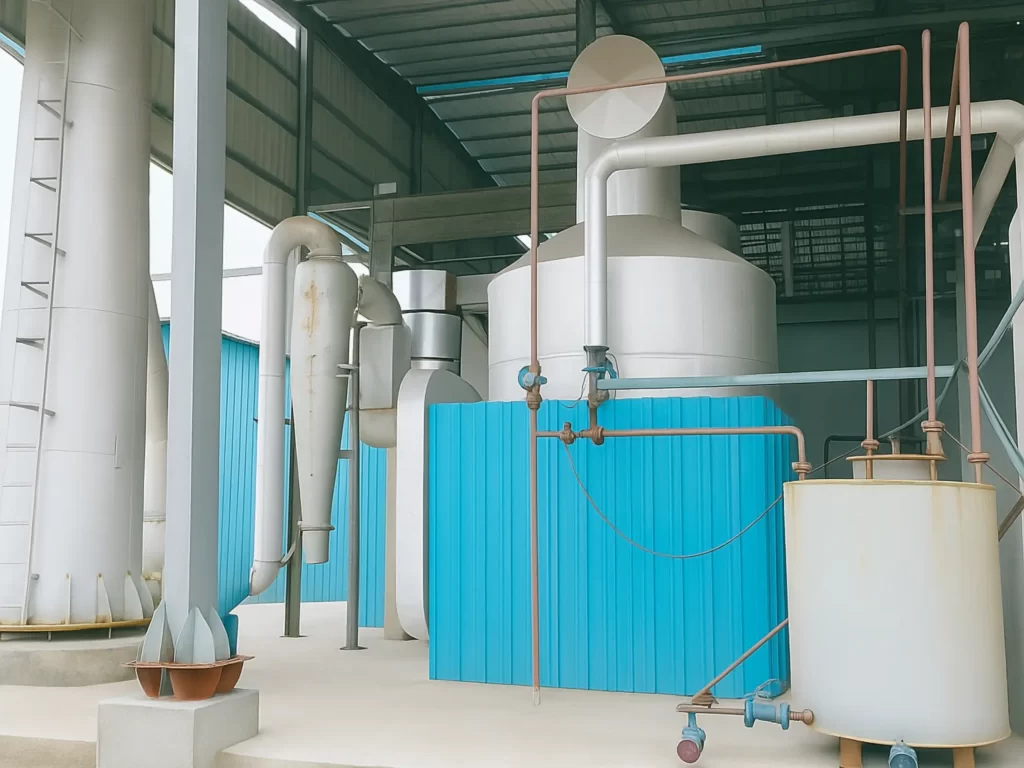
Designed to operate on coal, wood, briquettes, or agro-waste. A cost-effective solution for industries like plywood, rubber, paper, and textiles where solid fuels are easily available.
- Designed for continuous solid fuel operation
- Low running cost with high thermal efficiency
- Suitable for plywood, rubber, paper, and textile sectors
- Robust construction for long life and harsh working conditions
Whether you’re replacing a steam system or setting up a new plant, Thermodyne ensures your thermic fluid heater delivers uninterrupted performance.
Thermic Fluid Heater Maintenance & Efficiency Tips
- Regularly check and maintain the thermal fluid level
- Monitor temperature differential between inlet & outlet
- Keep burner settings optimized
- Flush and replace fluid periodically as per manufacturer guidelines
- Schedule annual inspections
Conclusion: Invest in a Thermic Fluid Heater for Long-Term Efficiency
A well-designed Thermic Fluid Heater (TFH) is more than just a heating solution—it’s an investment in safety, efficiency, and operational excellence. Its ability to deliver consistent high-temperature heat without the complexities of steam makes it ideal for a wide range of industries.
If you’re planning to modernize your heating infrastructure, a TFH (Fluidtherm) from Thermodyne Boilers is the most reliable and cost-effective choice.
Talk to Our Experts
Looking for a reliable thermic fluid boiler or need help choosing the right model?
👉 Contact Thermodyne Boilers for custom-engineered thermal solutions.
📩 Email: sales@thermodyneboilers.com
🌐 Website: www.thermodyneboilers.com
Thermic Fluid Heater related FAQs:
A thermic fluid heater is an industrial heating system that uses thermal oil instead of water or steam to transfer heat. It provides high temperatures at low pressure, making it safer and more energy-efficient than traditional boilers.
The thermic fluid heater working principle is based on indirect heat transfer. Fuel combustion heats coils containing thermal oil, which is then circulated in a closed loop throughout the process equipment. This design prevents fluid loss and corrosion, ensuring consistent heat and energy savings. The thermal fluid heating system avoids steam losses and requires no water treatment, which enhances overall boiler efficiency.
A thermic fluid boiler offers multiple benefits over steam boilers:
Operates at atmospheric or low pressure
Reaches temperatures up to 400°C
No blowdowns, scaling, or steam traps required
Low maintenance and high safety
This makes thermic fluid heating systems a preferred choice in industries like food processing, textiles, chemicals, and plywood manufacturing.
A thermal fluid boiler is essentially the same as a thermic fluid heater, engineered to provide controlled heat through thermal oil. It’s used in operations where uniform heating is essential—such as drying, cooking, melting, or curing processes. The thermal fluid heating system ensures stable and safe heating for continuous or batch production lines.
Thermal fluid heating systems are widely used in:
Plywood & laminate manufacturing
Chemical and pharmaceutical industries
Textile dyeing and finishing
Food processing units
Bitumen and asphalt plants
Their ability to deliver high temperatures at low pressure makes thermal fluid heaters ideal for diverse applications.
Thermic fluid heaters are highly flexible and can operate on:
Solid fuels (coal, wood, briquettes)
Liquid fuels (diesel, furnace oil)
Gaseous fuels (natural gas, LPG)
Electricity
This adaptability makes the thermal fluid heating system customizable for your specific fuel availability and cost targets.
Choosing reliable thermal fluid manufacturers is critical for the long-term performance of your thermic fluid heater. High-quality thermal oils ensure better heat transfer, reduced oxidation, and longer service life. Always use certified oils recommended by trusted thermal fluid boiler suppliers like Thermodyne for maximum efficiency.
To ensure smooth operation of your thermic fluid heater, you should:
Check thermal oil quality regularly
Monitor the temperature differential
Inspect burner performance and clean coils
Replace thermal fluid as per manufacturer guidelines
These steps improve the lifespan of your thermal fluid heating system and ensure consistent performance.
Thermodyne Boilers is a leading manufacturer of thermic fluid heaters and thermal fluid heating systems in India. We provide:
Skid-mounted, compact solutions
Multi-fuel compatibility
In-house engineering and installation support
Trusted customer service and technical assistance
When you choose Thermodyne, you choose durability, safety, and unmatched efficiency in every thermic fluid boiler system.