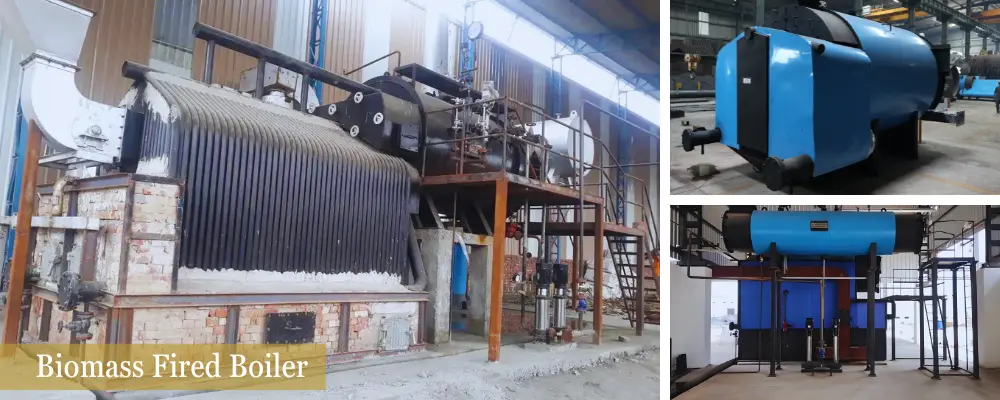
As industries move towards cleaner, sustainable energy sources, biomass boilers are gaining popularity for their ability to generate heat and steam using renewable, organic fuels. If you’re looking for an eco-friendly alternative to traditional fossil-fuel boilers, this beginner’s guide will help you understand everything about biomass boilers, how they work, and why they’re a smart investment.
What is a Biomass Boiler?
A biomass boiler is a heating system that uses natural, plant-based fuels—such as wood chips, agricultural residues, or boiler briquettes—to generate steam or hot water. Unlike traditional boilers that burn diesel or coal, a biomass energy boiler operates on renewable sources, making it an eco-friendly and economical solution.
These boilers are suitable for industrial, commercial, and institutional use where a reliable supply of steam or heat is required.
How Do Biomass Heating Boilers Work?
The working principle of a biomass heating boiler is simple yet efficient:
The working principle of a biomass heating boiler is both simple and highly efficient. Biomass fuels such as wood chips, briquettes, and agricultural waste are introduced into the combustion chamber, either manually or through automated feeding systems. Once inside, the fuel is ignited to initiate the combustion process, generating intense heat. This heat is then transferred to water using heat exchangers, converting the water into steam or hot water, depending on the specific industrial or commercial requirement. The produced steam or heat is subsequently utilized in a range of applications, including industrial processes, heating systems, or power generation. Modern biomass boilers are equipped with advanced automation features for fuel feeding, temperature control, and ash handling, ensuring optimum efficiency, reduced emissions, and sustainable performance.
Common Biomass Fuels Used in Boilers
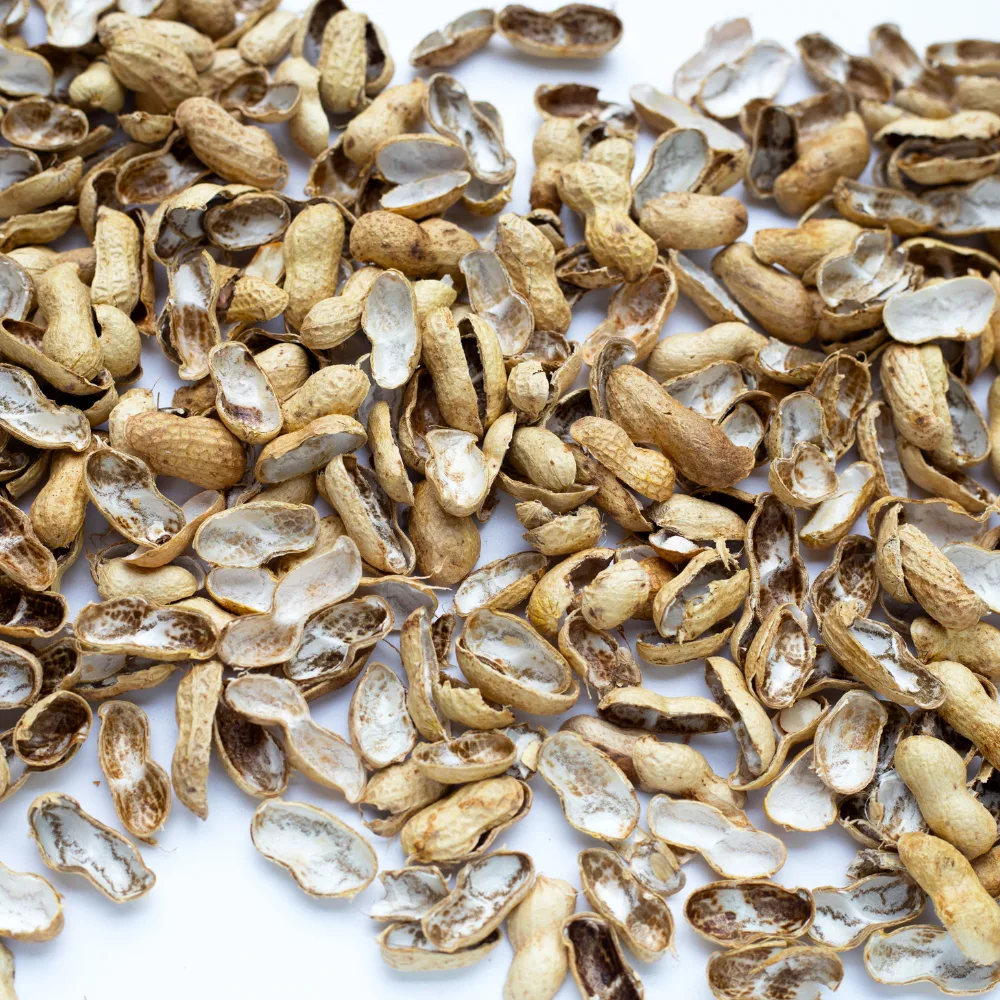
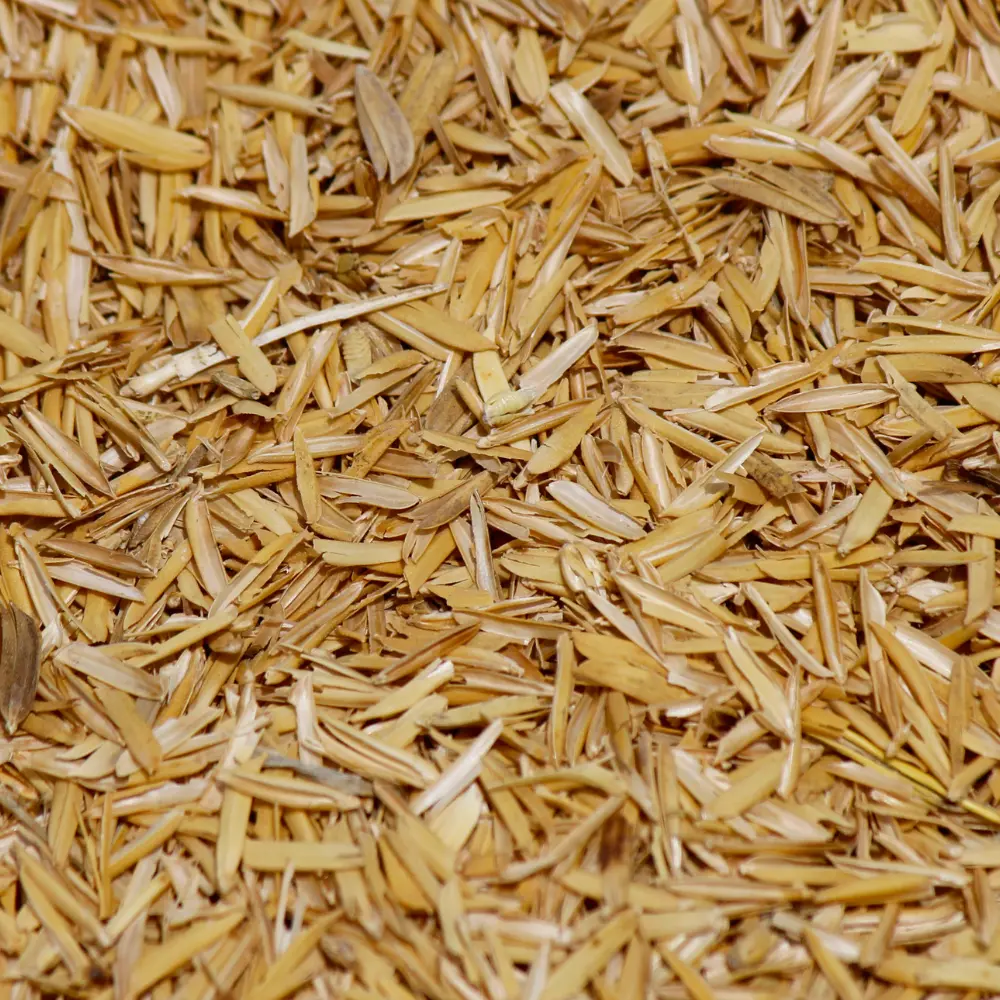
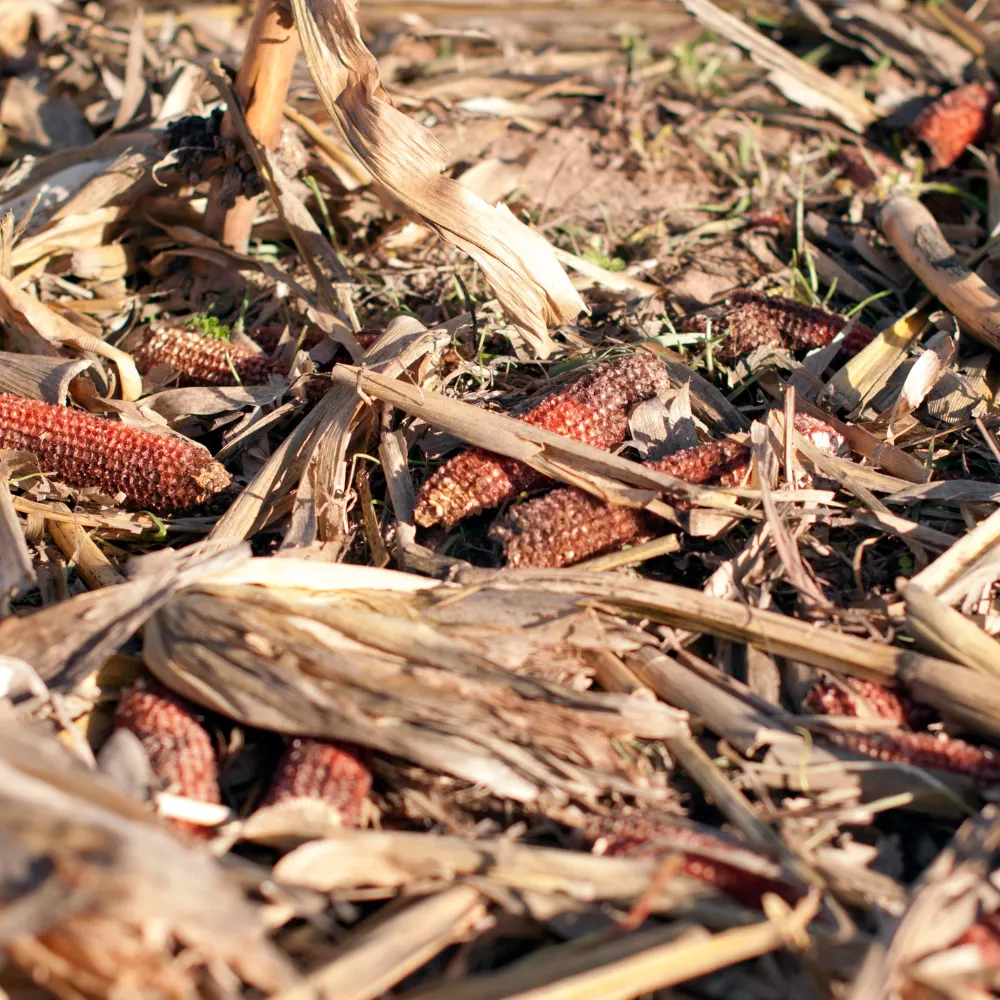
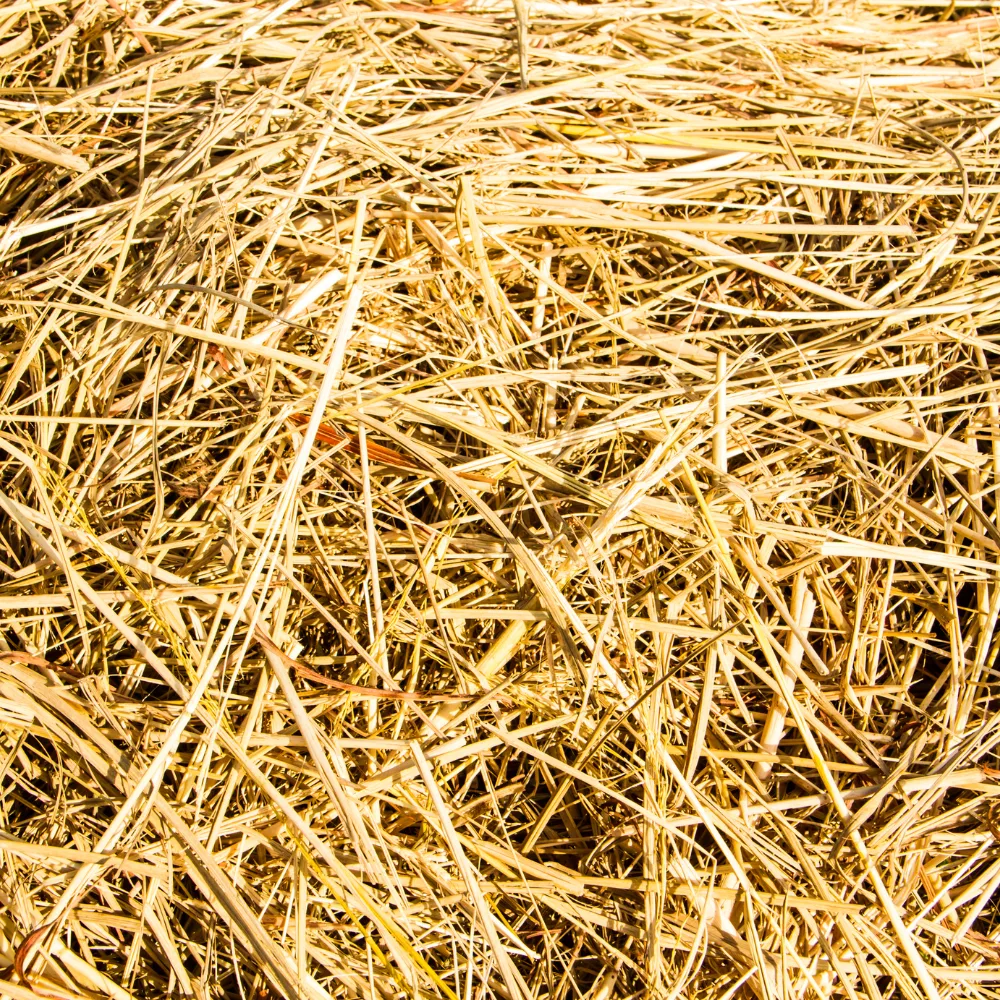
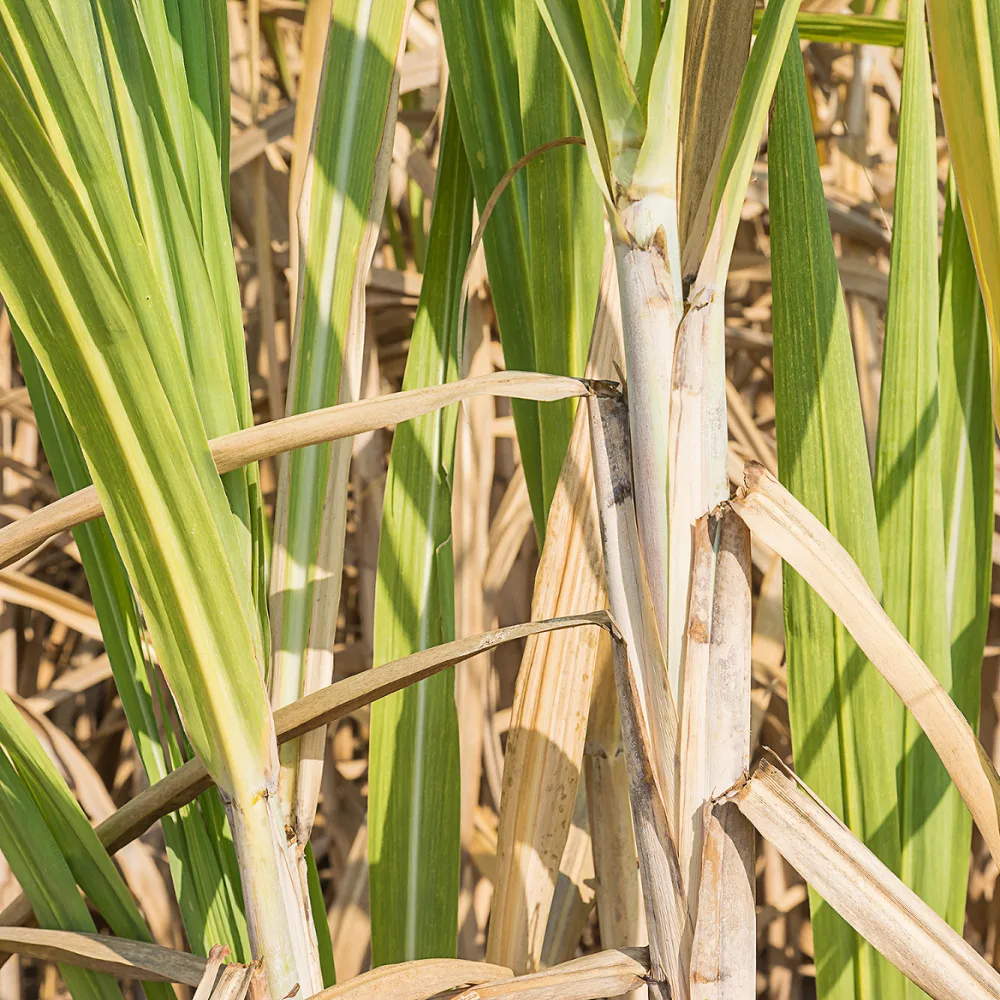
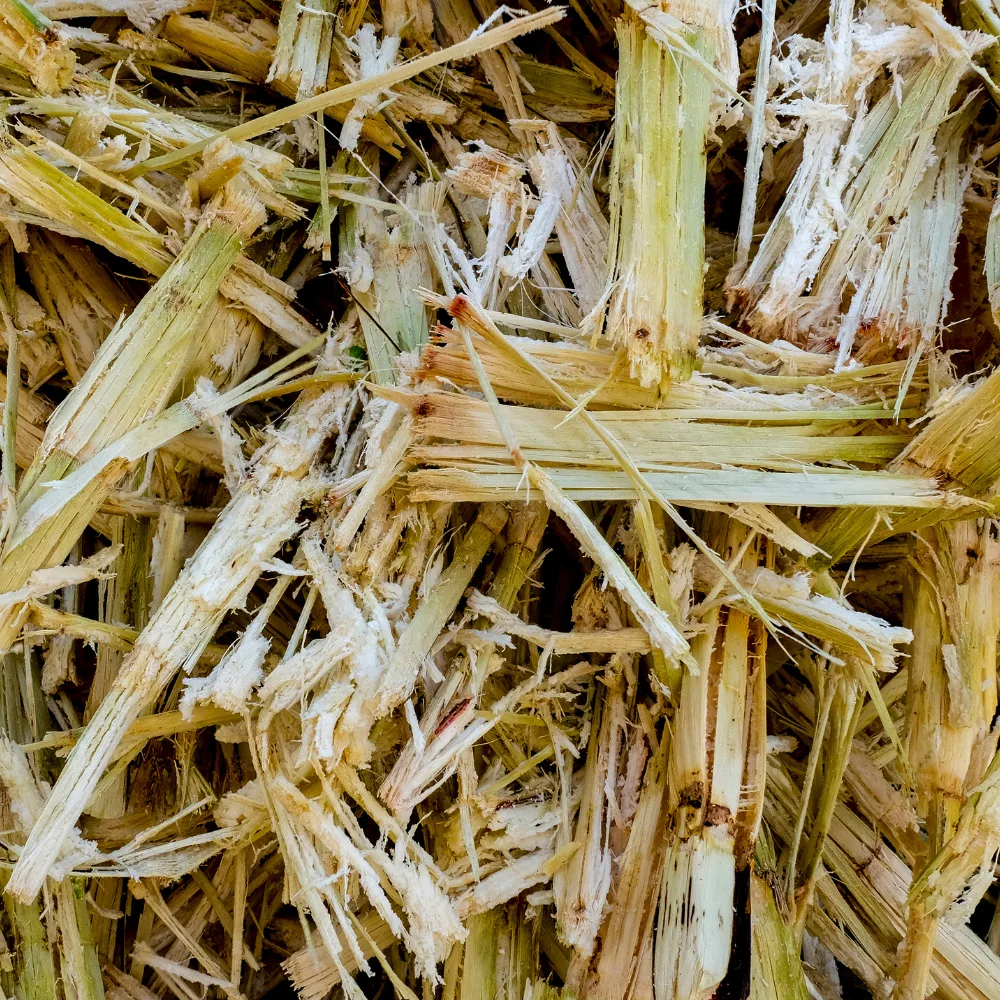
Biomass for boiler systems can be sourced easily and often comes from agricultural or wood industry waste. Here are common fuel types:
Agricultural Waste for Biomass Boilers
Wood-Based Fuels for Briquette Boilers
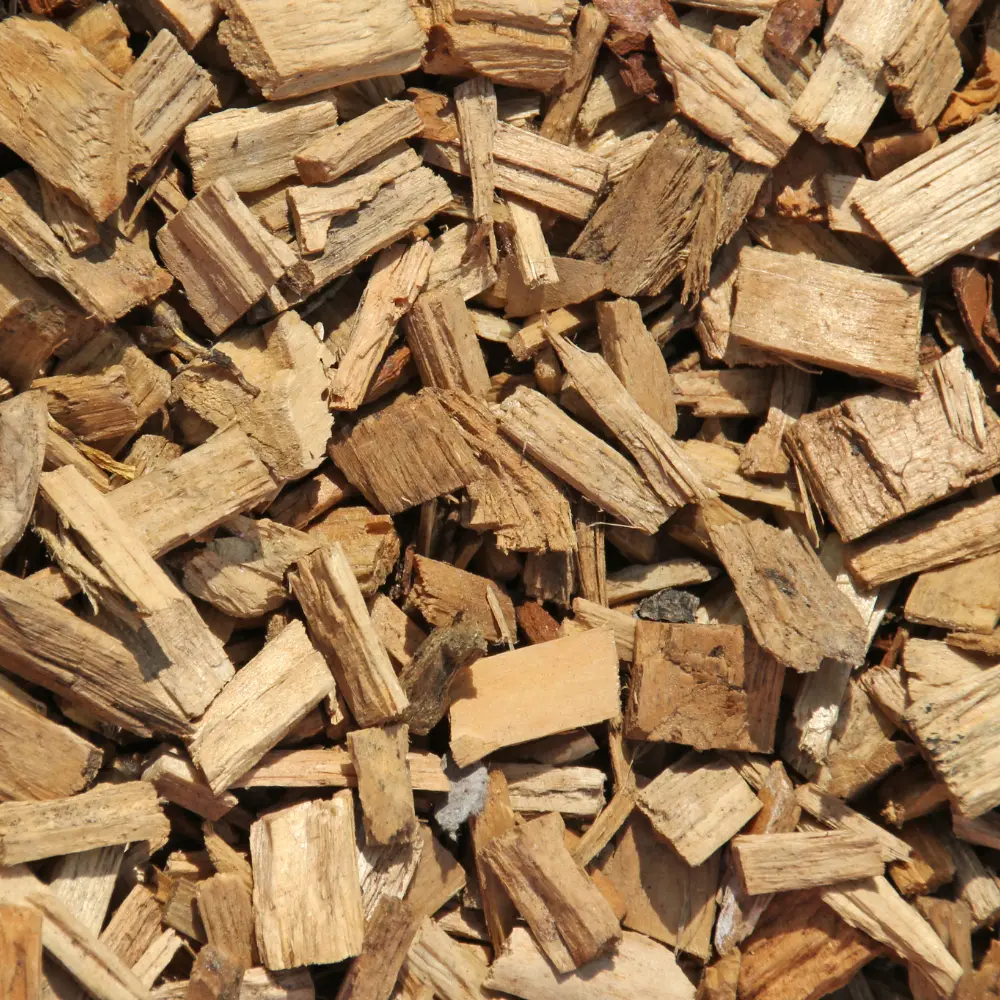
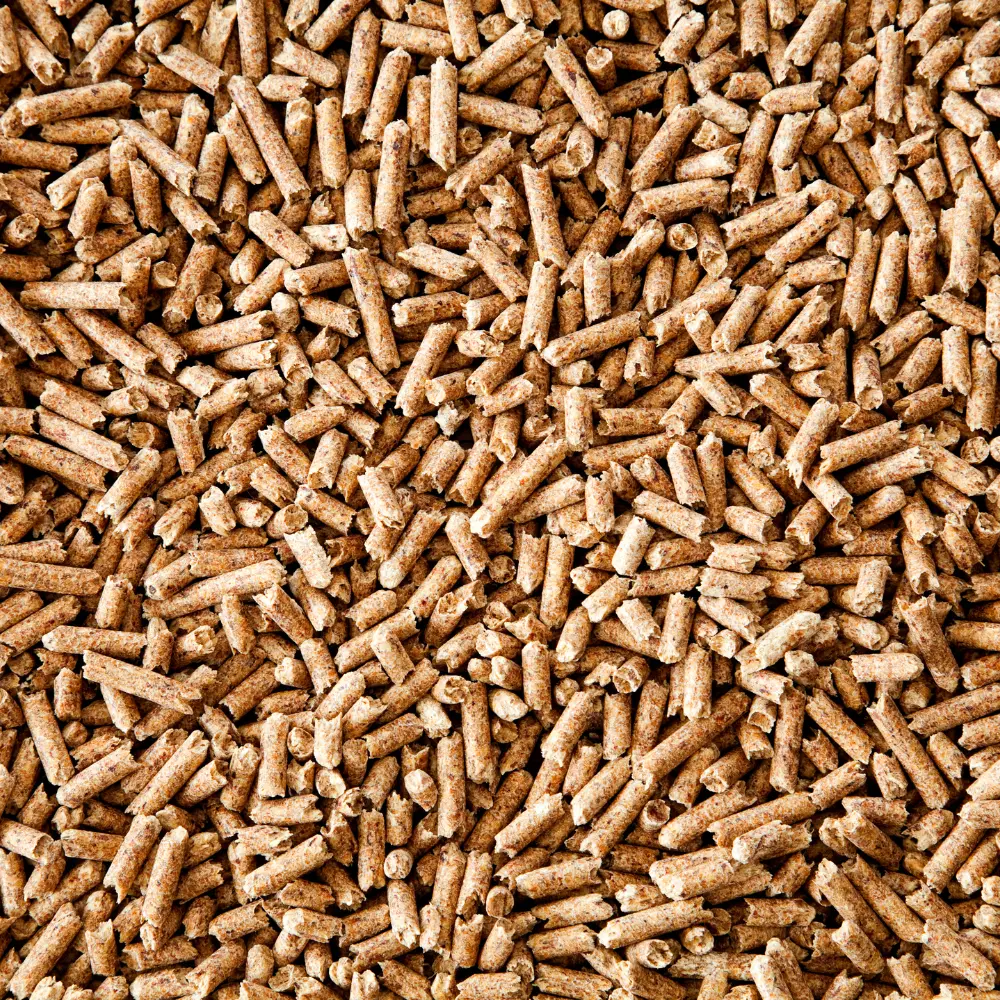
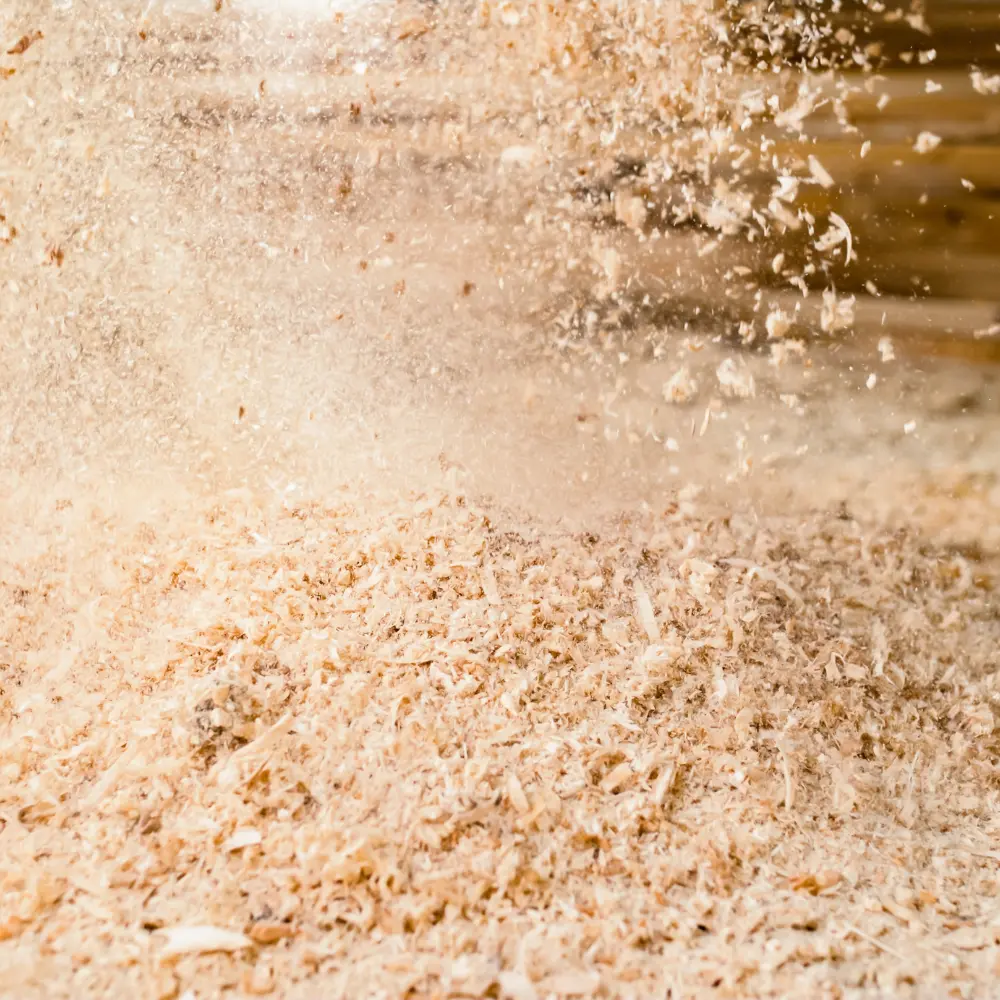
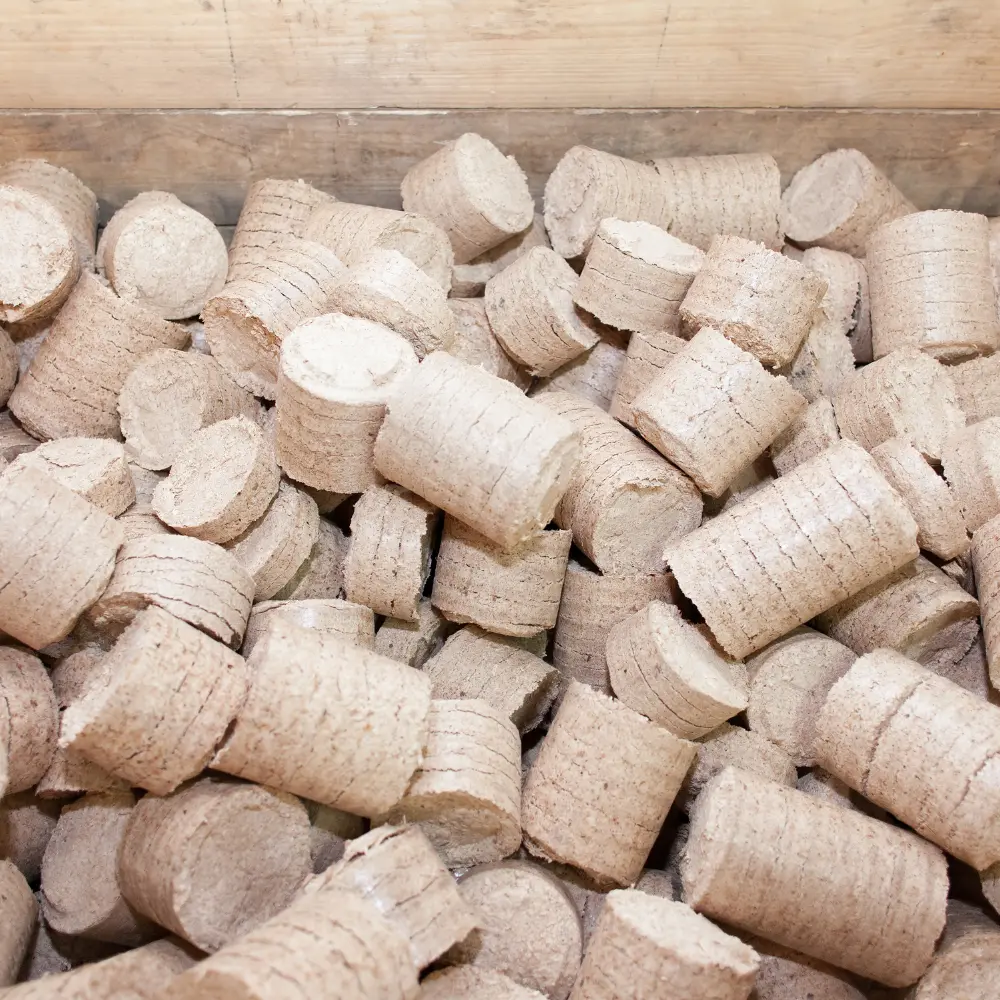
These fuels are affordable, readily available, and deliver high calorific value—perfect for cutting costs and reducing emissions.
Thermodyne’s Biomass Heating Solutions
At Thermodyne Boilers, we provide advanced biomass-compatible heating systems designed for various industrial needs:
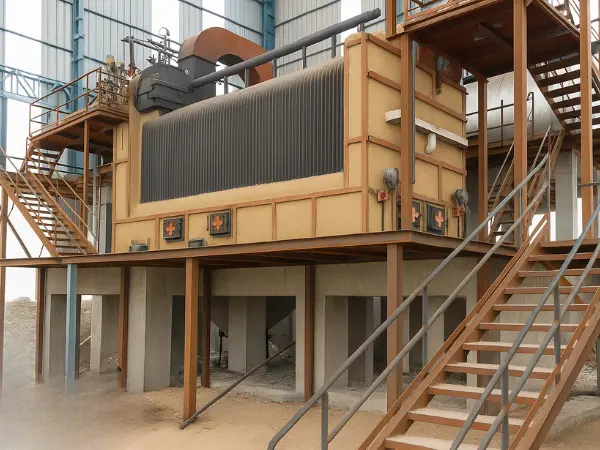
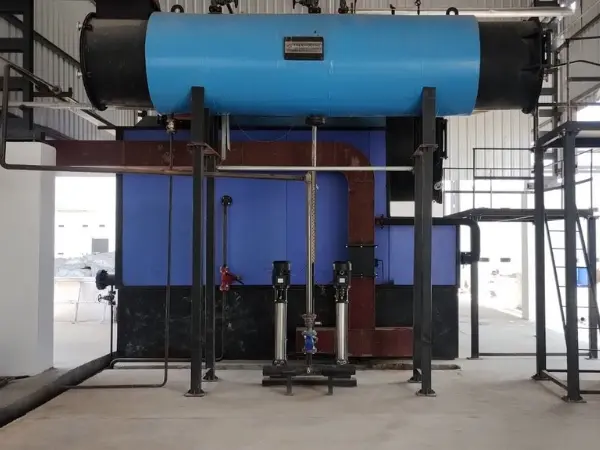

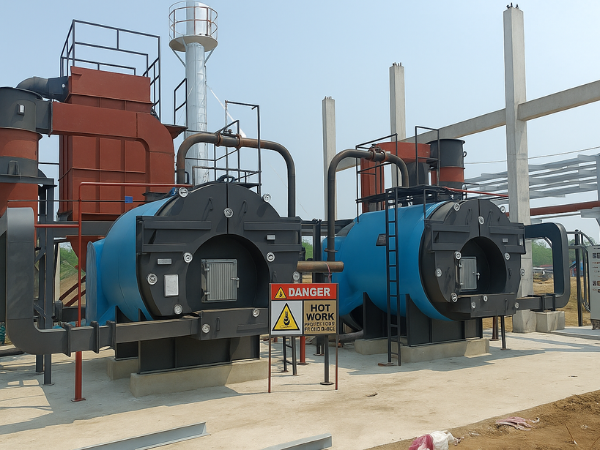
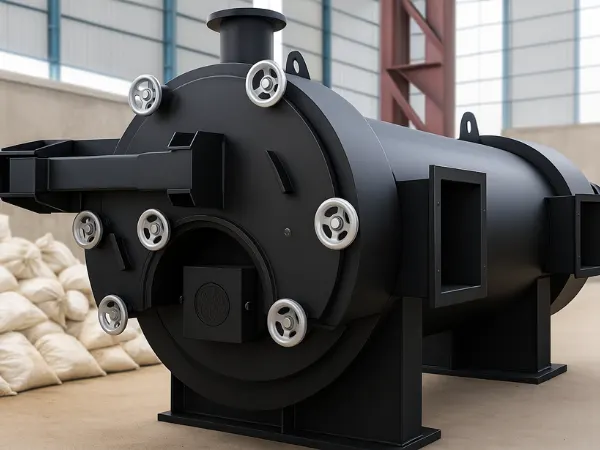
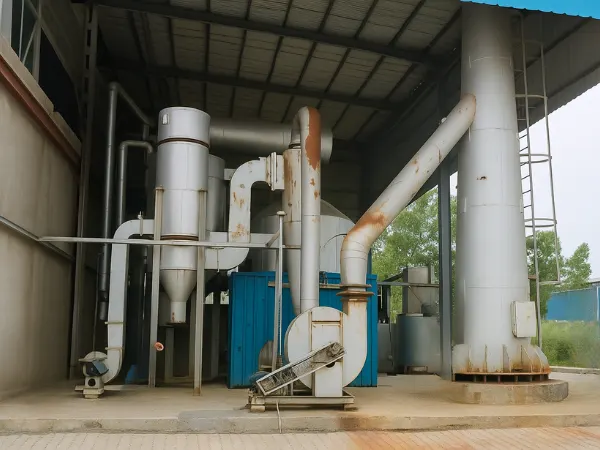
All models support fuels like bagasse, cotton stalk, rice husk, groundnut shell, and boiler briquettes.
Key Benefits of Installing a Biomass Boiler
- Eco-Friendly & Carbon-Neutral – Releases only the CO₂ absorbed during plant growth.
- Cost Savings – Fuels like bagasse, rice husk, and groundnut shells are cheaper than diesel or LPG.
- Waste-to-Energy – Transforms waste into usable thermal energy.
- Government Incentives – Subsidies and support under renewable energy policies.
- Energy Independence – Reduces dependency on imported fossil fuels by using locally sourced biomass.
Maintenance & Efficiency Tips for Biomass Boilers
- Always use dry, clean biomass fuel to avoid moisture-related issues.
- Clean the heat exchangers and combustion chamber regularly.
- Monitor combustion temperature and flue gas levels for optimal performance.
- Use automated fuel feeding to maintain combustion consistency and reduce labor.
Industries That Benefit from Biomass Boilers
Biomass boilers are ideal for the following industries:
- Food Processing
- Plywood & Wood-Based Units
- Textile Dyeing and Printing
- Paper & Packaging Industries
- Agro-Industries (Rice Mills, Sugar Mills, Cotton Processing)
- Rubber & Chemical Plants
- Pharmaceuticals
- Hotels and Resorts
- Hospitals and Large Institutions
Industries with access to agricultural residues like rice straw, bagasse, or cotton stalks can drastically lower fuel costs using biomass boilers.
Final Thoughts: Why Choose a Biomass Boiler?
A biomass boiler isn’t just a sustainable heating solution—it’s a smart investment in your company’s future. Whether you’re using briquettes, wood chips, or agri-waste, a biomass energy boiler provides long-term benefits in terms of cost savings, eco-compliance, and fuel flexibility.
Need a Reliable Biomass Boiler for Your Industry?
Thermodyne Boilers offers customized biomass heating solutions built to match your fuel type and operational requirements.
Contact us today for a free consultation
Industrial Biomass Steam Boiler FAQ
A biomass boiler is used to generate heat or steam by burning organic materials like wood chips, briquettes, rice husk, or agricultural waste. It’s commonly used in industries for process heating, space heating, and hot water applications.
A biomass boiler works by feeding plant-based fuels into a combustion chamber, where they are burned to produce heat. This heat is then transferred to water or a thermal fluid to create steam or hot water for industrial use.
Common biomass fuels include:
- Wood chips and pellets
- Rice husk
- Groundnut shells
- Bagasse
- Corn cobs
- Cotton stalks
- Boiler briquettes
These fuels are renewable, cost-effective, and locally available.
Yes, biomass boilers are highly cost-effective. Biomass fuels are significantly cheaper than diesel, coal, or LPG, resulting in lower operational costs over time.
- Environmentally friendly and carbon-neutral
- Reduces energy costs
- Converts waste into usable energy
- Eligible for government subsidies in many regions
- Reduces dependency on fossil fuels
Industries like food processing, plywood, textiles, paper mills, rice mills, sugar mills, rubber, pharmaceuticals, and hospitality commonly use biomass boilers for their heating and steam requirements.
Yes, briquettes are an excellent fuel for briquette boilers. They offer high calorific value, are easy to handle, and produce less ash compared to traditional fuels.
Routine maintenance includes:
- Using dry and clean biomass fuel
- Regular cleaning of combustion chambers and ash bins
- Monitoring flue gas and temperatures
- Ensuring automated feeding systems are functioning properly
Yes, biomass boilers are carbon-neutral, meaning the CO₂ released during combustion is offset by the CO₂ absorbed during the growth of the biomass—making them a sustainable heating solution.
Yes, several states in India offer subsidies, tax benefits, and grants under renewable energy schemes to promote the use of biomass energy boilers in industries.