Thermodyne Engineering Systems

Boost Boiler Efficiency with a Steam Accumulator for Uninterrupted Steam Delivery
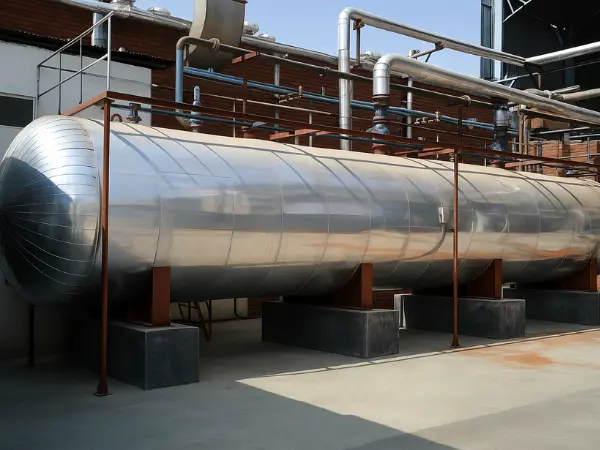
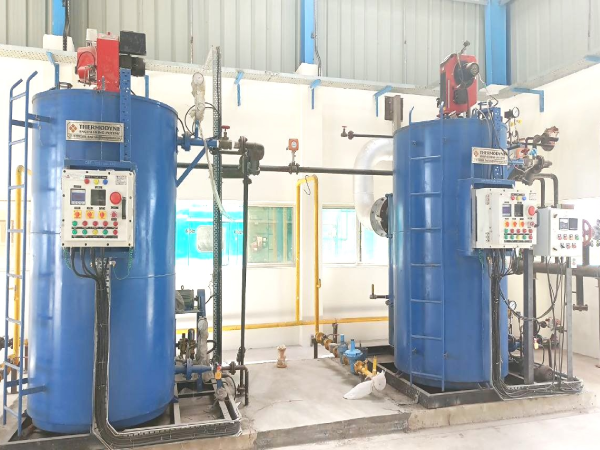
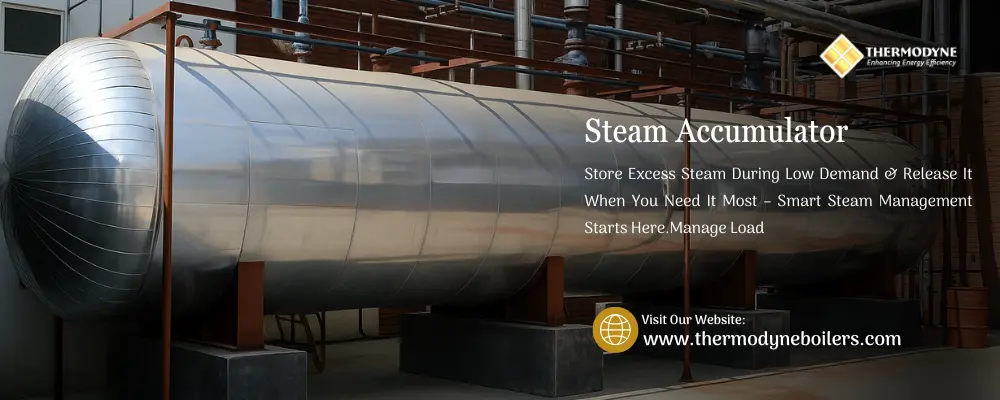
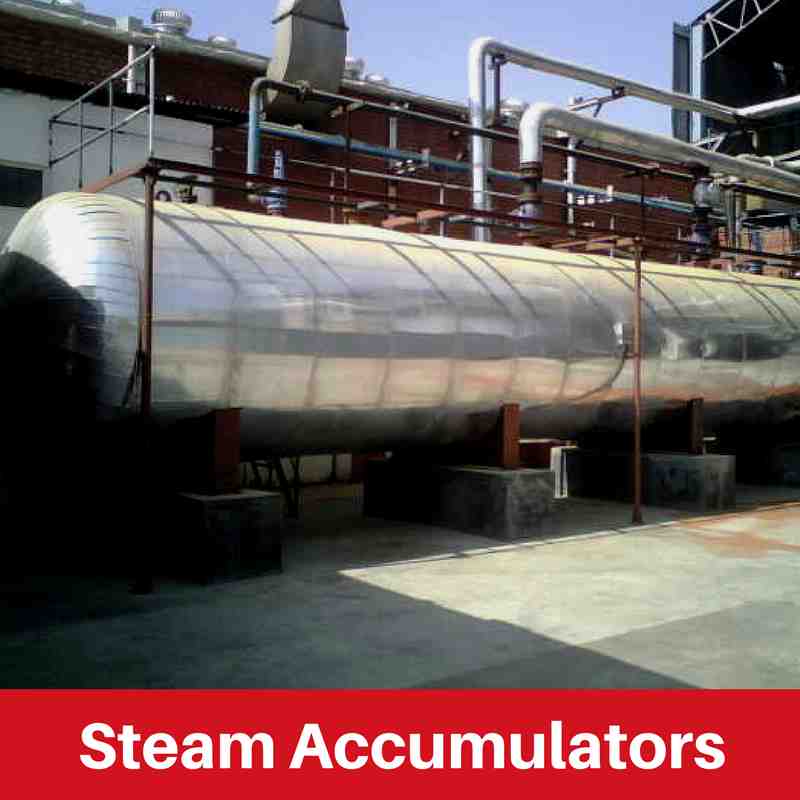
Steam Accumulator
Steam accumulators operate on the principle of storing energy in the form of saturated water under pressure. When the steam demand is low, the boiler produces more steam than is needed. This excess steam is used to heat water in the accumulator, storing the energy. When the steam demand increases, the stored energy is released as steam to supplement the boiler’s output.
Water and Steam Chambers: The vessel is partially filled with water, with steam occupying the space above the water.
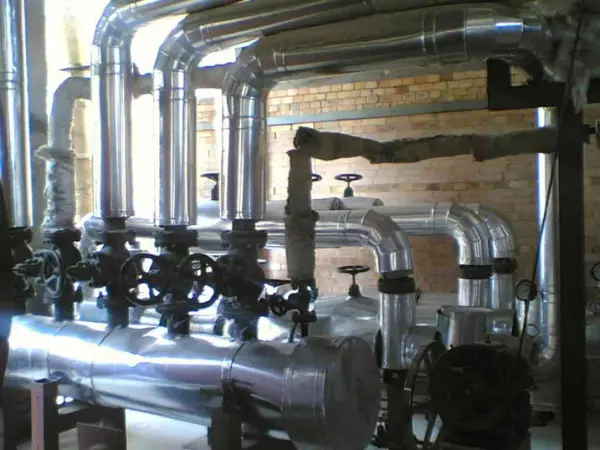
Inlet and Outlet Valves to control the flow of steam into and out of the accumulator.
Pressure Control System: A system to monitor and regulate the pressure inside the vessel. control mechanisms to regulate the steam flow, maintain optimal pressure, and ensure safe operation. These controls help in automating the charging and discharging processes based on the steam demand.
Advantags
Advantags
- Load Balancing: Helps balance the load on the boiler, reducing the need for the boiler to constantly cycle on and off.
- Efficiency: Improves overall system efficiency by storing excess steam and utilising it during peak demand.
- Reduced Fuel Consumption: Optimizes fuel usage by avoiding the need to fire up additional boilers for short-term high demand.
- Steady Pressure: Maintains a more consistent steam pressure, improving the performance of the steam system.
Suggested Products
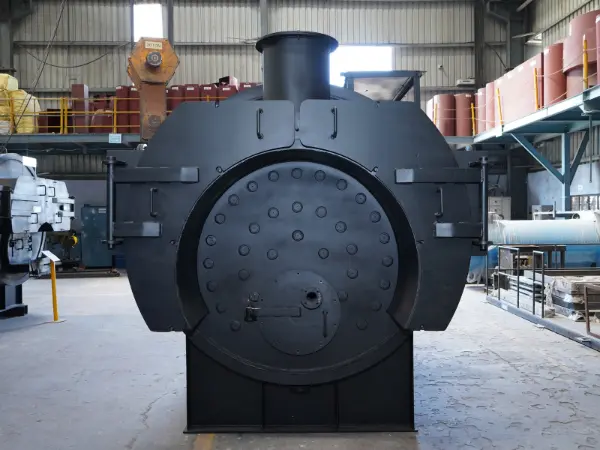
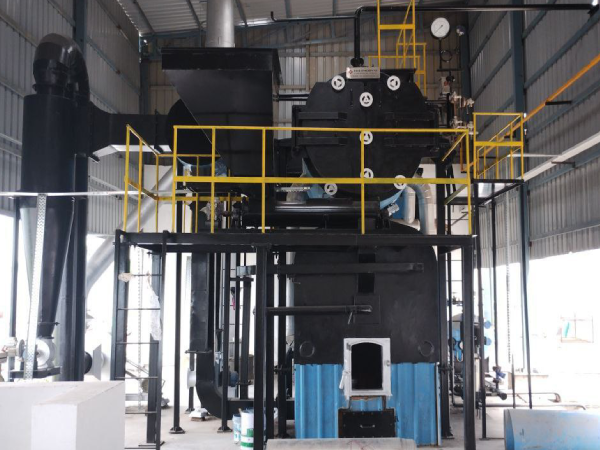


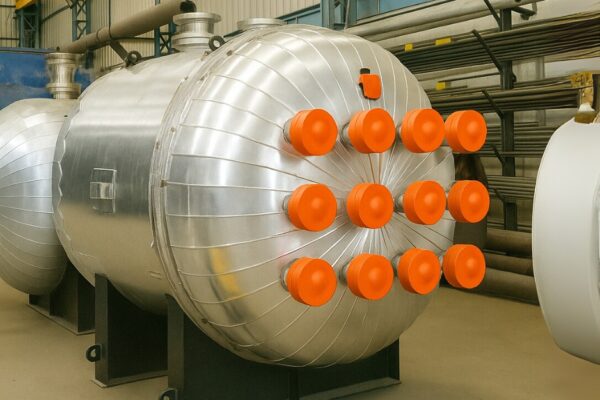

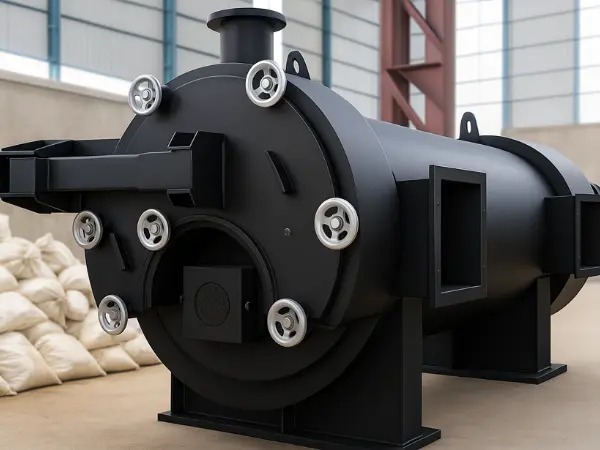
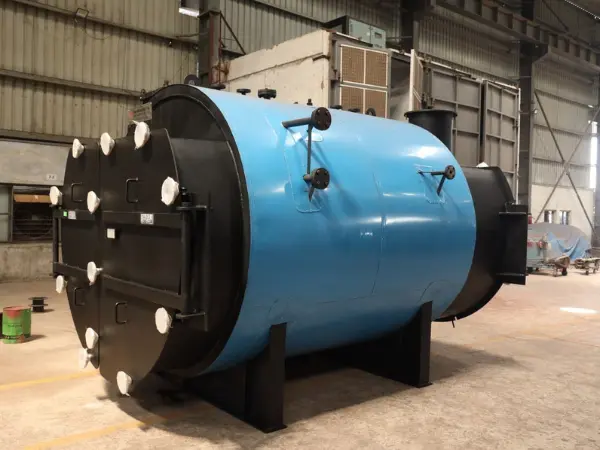
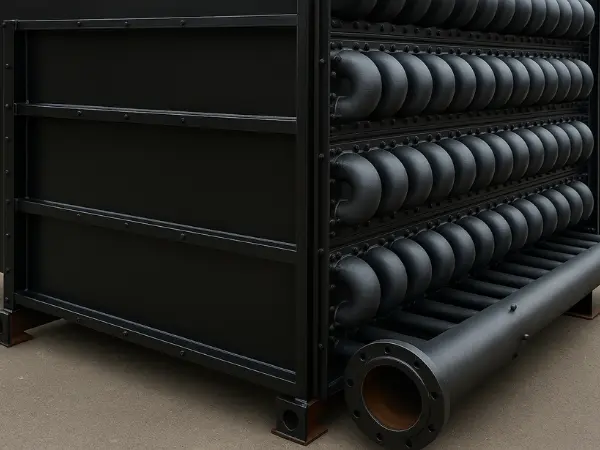
Wastetherm- (Waste Heat Recovery Boiler)

Steam Accumulator


Book a free Consultation
Related Blogs
Steam Accumulator related FAQs
A steam accumulator is a pressure vessel that stores excess steam generated during low demand and releases it during peak demand. It helps maintain consistent steam pressure, reduces boiler cycling, and improves overall efficiency in steam systems.
A steam accumulator operates by absorbing excess steam from the boiler when demand is low. This steam heats the water inside the vessel, storing energy. When steam demand increases, the pressure drops, causing the stored hot water to flash into steam, which is supplied to the process.
A steam accumulator is required to manage fluctuating steam loads, prevent pressure drops, reduce boiler cycling, and ensure continuous steam supply during peak demand without increasing boiler capacity.
By allowing the boiler to operate at a steady load and storing surplus steam energy, a steam accumulator reduces start-stop losses and inefficient firing. This results in better fuel utilization and improved steam system efficiency.
Yes. A steam accumulator reduces fuel consumption by eliminating the need to rapidly increase boiler firing rates or operate additional boilers during short-duration peak steam demand.
No. A steam accumulator does not replace a boiler. It works in combination with the boiler by supporting it during peak load conditions and storing excess energy during low demand periods.
Steam accumulators are widely used in industries with variable steam demand, including food processing, rice mills, textiles, pharmaceuticals, chemicals, plywood, paper, dairies, hospitals, laundries, and large manufacturing plants.
The accumulator absorbs pressure fluctuations by storing steam when pressure rises and releasing steam when pressure drops, ensuring consistent steam pressure throughout the system.
The main components include a pressure vessel, water and steam chambers, steam inlet and outlet valves, pressure control system, safety valves, level indicators, and automation controls for charging and discharging operations.
Yes. When designed and operated as per applicable boiler and pressure vessel standards, steam accumulators are safe. They are equipped with pressure control systems, safety valves, and instrumentation to ensure reliable and secure operation.
The capacity is determined based on peak steam demand, duration of peak load, boiler capacity, operating pressure, and system operating conditions. Proper sizing is essential for optimal performance.
Contact us for more details about our boilers, installations and services.